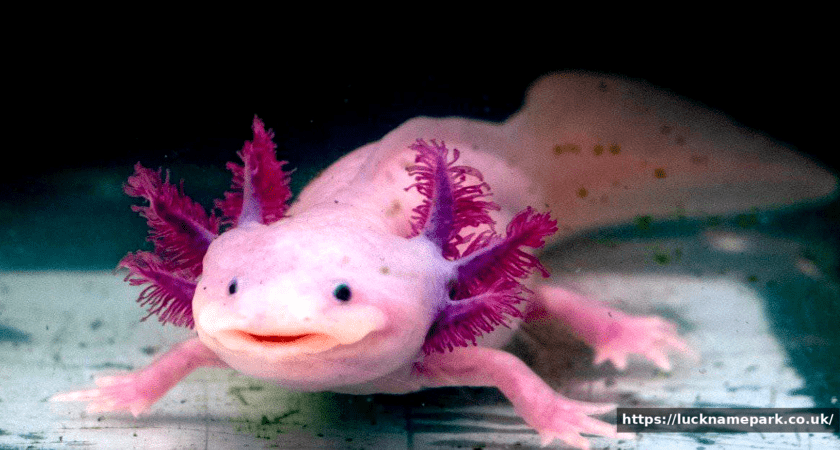
Have you ever seen a creature that looks like a real-life Pokémon? That is exactly what an axolotl pet feels like. With its feathery gills and permanent smile, this unique salamander has captured hearts worldwide. But before you rush to get one, you need to know what you are getting into. Keeping an axolotl as a pet is not like owning a goldfish or a hamster. These fascinating amphibians have very specific needs. They require cool water, a special diet, and a calm environment. This guide will walk you through everything you need to know. From setting up the perfect tank to understanding their quirky behavior, we have you covered. By the end, you will feel confident about giving your new aquatic friend the best life possible.
Table of Contents
What Exactly is an Axolotl?
First things first, let’s clear up a common myth. An axolotl is not a fish. It is actually a type of salamander. Unlike other salamanders that transform into land-dwelling adults, the axolotl keeps its youthful features forever. This trait is called neoteny . They keep their feathery external gills and their finned tail for their entire life. They live fully in the water. This makes them a “permanent tadpole” of sorts. They are native to the ancient lakes of Mexico City. In the wild, they are critically endangered . However, they breed well in captivity. This is why they have become popular exotic pets. When you bring an axolotl pet home, you are caring for a living wonder of nature.
Is an Axolotl a Good Pet for You?
An axolotl can be a wonderful pet for the right person. They are fascinating to watch. Their calm and docile nature is very relaxing. However, they are not cuddly animals. They do not like to be handled. Their skin is very delicate. Handling can stress them out and even hurt them . They are more like fish in that way. You should enjoy watching them, not playing with them. They are also a long-term commitment. With good care, your axolotl pet can live for 10 to 15 years . This is a big promise. You also need to check your local laws. In some places, like California and New Jersey, it is illegal to own one .
Setting Up the Perfect Axolotl Tank
Creating the right home is the most important step. You need to think about their natural habitat. They come from cool, high-altitude lakes . Their tank needs to copy this environment.
Choosing the Right Tank Size
A bigger tank is always better. For a single adult axolotl pet, you need a minimum of 20 gallons. A 40-gallon breeder tank is even better . Why such a big tank? Axolotls produce a lot of waste. More water helps keep the water clean and stable. It also gives them room to roam. They are bottom-dwellers. They prefer to walk along the floor. A long tank is better than a tall one. This gives them more floor space to explore .
Water Quality and Cycling
Water quality is not just important, it is critical. Your axolotl pet breathes through its gills. Dirty water will make them sick. You need to cycle the tank before you add your pet. This process builds good bacteria. These bacteria turn harmful ammonia into safer nitrates . This takes 4 to 8 weeks. You cannot skip this step. You will also need a water testing kit. You should check the water weekly. You want to see zero ammonia and zero nitrites. Nitrates should stay below 20 ppm .
Water Temperature and Cooling
This is a deal-breaker. Axolotls are cold-water animals. They cannot handle warm water. The ideal temperature is between 60-68°F (16-20°C) . Anything above 72°F will stress them out. High temperatures can lead to disease and death . You may not need a heater. You might need a chiller! In warm climates, a chiller is often necessary. You can also use fans that blow across the water surface to cool it down . Place the tank away from direct sunlight and heat sources.
Substrate and Decorations
What you put on the bottom of the tank matters a lot. Avoid gravel at all costs. Your axolotl pet sucks in food like a vacuum. They will also swallow gravel. This causes a dangerous intestinal blockage called impaction . The safest choices are a bare bottom or very fine aquarium sand . You should also add hiding places. They are shy animals. They love caves, PVC pipes, and large smooth rocks. Just make sure everything is smooth. Sharp edges can tear their delicate skin .
Filtration and Flow
You need a filter to keep the water clean. However, axolotls hate strong currents. In the wild, they live in still water. Strong flow from a filter will stress them out. You can see this as “gill curling” . A sponge filter is a great option. It is gentle and effective . If you use a canister filter, use a spray bar. This helps disperse the flow. The water should be clean, but it should also be calm.
Feeding Your Axolotl Pet
The axolotl is a carnivore. It loves to eat meaty foods. Providing a good diet is key to their health.
What to Feed Them
In the wild, they eat small bugs, worms, and tiny fish. You can mimic this in captivity. Their staple diet should be high-quality axolotl pellets. These are nutritious and easy to use . You should also offer live or frozen foods for variety. Good options include earthworms, bloodworms, and brine shrimp . Earthworms are an excellent choice. They provide great nutrition. You can also feed them tiny strips of raw fish or beef as a treat .
How Much and How Often
The feeding schedule changes as they grow. Young axolotls grow fast. They should be fed daily . Adults eat less often. They are perfectly fine with being fed every two to three days . Only offer them as much food as they can eat. Remove any uneaten food. This prevents it from rotting and dirtying the water . When you feed them, wiggle the food in the water. Axolotls are attracted to movement . This triggers their hunting instinct.
Health and Common Problems
Knowing the signs of sickness can save your axolotl pet’s life. Many health issues come from stress or bad water.
Signs of Stress
Your axolotl will show you when something is wrong. Look for curled gills. Curled gills are a sign of stress. A curved tail tip is another warning sign . They might lose their appetite. They might float at the surface often. Pale skin color can also be a sign of stress. If you see these signs, check your water quality immediately .
Common Diseases
Most diseases are caused by poor water quality or high temperatures. Fungal infections look like white cottony patches on the skin or gills . Bacterial infections can cause reddening of the skin and ulcers. Impaction is a serious issue caused by eating gravel. It causes bloating and a loss of appetite . To prevent these problems, maintain excellent water quality. Keep their tank cool and stress-free.
Tank Mates: Can They Share a Tank?
Generally, it is best to keep your axolotl pet alone. They are solitary creatures. They do not need company. Keeping them with fish is risky. Small fish will be seen as a snack. They will get eaten . Larger fish might nip at their delicate gills. This is a common cause of injury . You can keep multiple axolotls together. But they must be the same size. A larger one might try to eat a smaller one. A 75-gallon tank is a good size for two . Make sure there are plenty of hiding spots. This helps them avoid each other.
The Amazing Ability to Regenerate
One of the coolest things about axolotls is their superpower. They can regrow lost body parts! If an axolotl loses a leg, a tail, or even part of its heart, it can grow it back perfectly . Scientists study them to learn more about human healing . This ability is part of what makes the axolotl pet so special. It is a truly magical creature. This regeneration process takes a few months. But the new limb will be good as new.
Handling and Interaction
Remember, an axolotl pet is for looking, not touching. They have very fragile skin. Our hands have oils and bacteria that can hurt them. They can also easily get injured. They should only be handled when absolutely necessary. This means only when moving them to a new tank. Always use a soft, fine-meshed net when you do this .
Conclusion
Bringing an axolotl pet into your home is an exciting adventure. It is a commitment to care for one of nature’s most unique creatures. They are not low-maintenance in the traditional sense. But their needs are specific and manageable. You just need the right setup. Provide them with a spacious, cool, and clean tank. Feed them a healthy diet. Keep their environment stress-free. In return, you get a fascinating and relaxing companion. Watching them glide around their tank is a joy. Their perma-smile will brighten your day for up to 15 years. Are you ready to start your axolotl journey? Do your research and get ready to welcome this water dragon into your world.
Frequently Asked Questions (FAQs)
1. How long does an axolotl pet live?
With proper care, an axolotl pet can live 10 to 15 years. Some have even lived up to 20 years in captivity. This is a big commitment, so be ready for a long-term pet.
2. Do axolotls need a heater?
No! In fact, a heater can be dangerous for them. Axolotls are cold-water animals and can get stressed and sick in warm water. You need to keep their water between 60-68°F (16-20°C).
3. Can I hold my axolotl?
It is not recommended to handle your axolotl. They have sensitive skin that can be easily damaged. Handling also stresses them out. They are best viewed and admired from outside the tank.
4. What size tank do I need for one axolotl?
A minimum of 20 gallons is required for a single adult axolotl. A 40-gallon breeder tank is an even better choice because it provides more stable water quality and more space to roam.
5. Why is my axolotl floating?
Floating can be a sign of several issues. It could be stress, constipation, or a sign of illness. Check your water quality and temperature. If the problem persists, consult a vet that specializes in amphibians.
6. Can I put fish in my axolotl’s tank?
It is generally not a good idea. Most fish will either be eaten or will nip at your axolotl’s delicate gills. It is much safer and less stressful to keep your axolotl in a species-only tank.