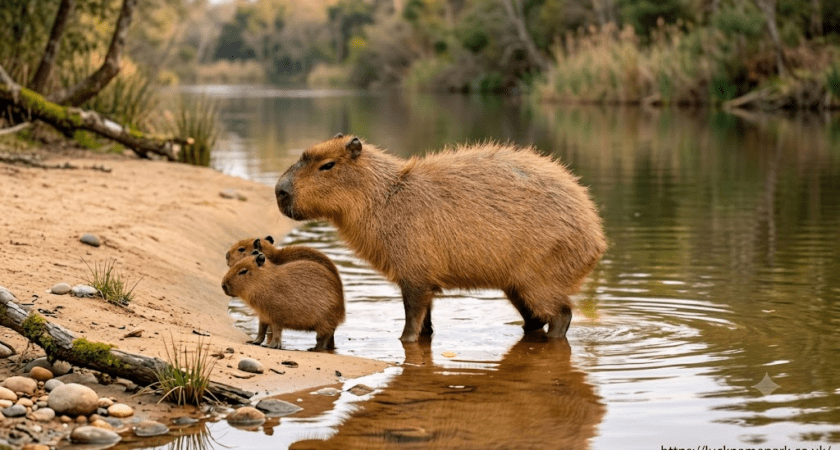
Have you ever wondered what makes a South American rodent so special? These creatures are not just ordinary mice or rats. South America is home to some of the most diverse and unique rodents on Earth. From the high Andes mountains to the Amazon rainforest, these animals have adapted to live in almost every environment. Many people are surprised to learn that the world’s largest rodent lives here. The South American rodent family includes everything from tiny mice to the massive capybara. They have fascinating behaviors, diets, and survival tricks that make them stand out. In this article, we will explore the amazing world of these animals. We will look at their different species, where they live, and what makes them so unique. Whether you are a nature lover or just curious, you will find something interesting here. Let’s dive into the world of the South American rodent and discover why they are so important to our planet.
Table of Contents
What Exactly is a South American Rodent?
A South American rodent is a mammal that belongs to the order Rodentia and lives in South America. Rodents make up the largest group of mammals on Earth. In South America, they have evolved into many different forms. Some look like the rats you see in cities. Others, like the chinchilla, are incredibly soft and cute. One of the most interesting groups is the chinchilla rat. This South American rodent looks like a mix between a chinchilla and a rat . They have short limbs, large eyes, and rounded ears. Their feet have padded soles that help them climb rocks and trees. Another famous South American rodent is the capybara. It is the largest rodent in the world. These gentle giants can weigh over 100 pounds. They live near water and are excellent swimmers. The South American rodent family is incredibly diverse. Each species has adapted to survive in its specific environment.
A Detailed Table of South American Rodents
Here is a helpful table that shows some of the most common South American rodents. This will give you a quick overview of the different types and their key features.
| Common Name | Scientific Family | Size | Habitat | Diet | Unique Trait |
| Chinchilla Rat | Abrocomidae | Medium to Large | Andes Mountains, rocky areas | Leaves, buds, stems | Resembles a chinchilla, padded feet |
| Capybara | Caviidae | Very Large (up to 100+ lbs) | Savannas, dense forests near water | Grasses, aquatic plants | World’s largest rodent, semi-aquatic |
| Guinea Pig | Caviidae | Small | Andes region, grasslands | Grasses, fruits, vegetables | Popular pet, domesticated for food |
| Sigmodontine Rat | Sigmodontinae | Small to Medium | All habitats across South America | Varies: herbivore, omnivore | Most diverse group, over 370 species |
| Chinchilla | Chinchillidae | Small to Medium | Arid Andes mountains | Vegetation | Extremely soft, dense fur |
| Coypu (Nutria) | Myocastoridae | Large | Marshlands, rivers | Aquatic plants | Valued for fur, invasive in some areas |
| Tuco-tuco | Ctenomyidae | Small to Medium | Underground burrows | Roots, tubers | Fossorial (digging) lifestyle |
Where Do South American Rodents Live?
South American rodents live in almost every habitat you can imagine. Some, like the chinchilla rat, live high in the Andes Mountains. The ashy chinchilla rat lives between 3,700 and 5,000 meters above sea level . Others live in the Amazon rainforest. The Ucayali water rat, for example, is a semiaquatic rodent that lives near rivers. In the grasslands, you will find species like the tuco-tuco. They dig complex burrow systems underground. Some South American rodents even live in cities and farms. They are highly adaptable. The Sigmodontinae subfamily is particularly widespread . They range from Tierra del Fuego all the way to the United States. Many species live in cloud forests, scrublands, and marshes. The Cuscomys ashaninka was discovered in the cloud forests of southern Peru in 1999 . This shows that there are still new South American rodent species to find.
What Do South American Rodents Eat?
The diet of a South American rodent depends on its species and habitat. Many of them are herbivores. The chinchilla rat eats leaves, buds, and stems of shrubs . These South American rodents are agile climbers. They will climb small trees to find food. Capybaras are grazers. They eat grasses and aquatic plants. They spend a lot of time in the water. Sigmodontine rodents have a very varied diet . Some eat only plants. Others are omnivores or even carnivores. These rodents will eat seeds, fruit, insects, and even small fish. Some species eat fungi and lichen. This diversity in diet is a big reason why the South American rodent is so successful. They can find food in almost any environment. At night, some species build special latrines . They are piles of feces glued together by urine. These structures can become as hard as rock and are used as territory markers.
How Do They Behave?
Behavior is another area where South American rodents are very diverse. Most species, like the chinchilla rat, are nocturnal . They are active at night to avoid predators. They are also very agile. They can climb rocks and trees with ease. Some species live in small colonies. They may share burrows and latrines. Bennett’s chinchilla rat even shares nests with the degu . Sigmodontine rodents show a wide range of behaviors . Some are territorial and aggressive. Others are more social and live in groups. Many are excellent at burrowing. They dig complex tunnels to live in and hide from danger. A few species are semiaquatic. They have webbed feet and are strong swimmers. This helps them escape predators by diving into water. The South American rodent has adapted to survive in very different conditions.
The Mighty Chinchilla Rat
One of the most unique South American rodents is the chinchilla rat. It belongs to the family Abrocomidae. They are closely related to chinchillas and viscachas . There are about six known species. They live in the Andes from Peru to Argentina. The chinchilla rat has a soft, dense fur. Its color can be silvery or brownish-gray. Abrocoma species are smaller, weighing up to 350 grams . Cuscomys species are much larger. One species, Cuscomys oblativa, was discovered from remains at Machu Picchu. Scientists think it might still be alive today! The Cuscomys ashaninka was first described in 1999. It was named after the Ashaninka people of Peru. This shows that many aspects of South American rodent life remain a mystery.
The Vast Sigmodontinae Group
The Sigmodontinae are the most diverse group of South American rodents. They are often called New World rats and mice. There are at least 377 species . These rodents invaded South America from Central America about 5 million years ago . Once they arrived, they evolved rapidly. They now fill many different roles in the ecosystem. Some are small like mice. Others are larger and look more like rats. They live in forests, grasslands, and even deserts. Some species are important for the ecosystem. They help spread seeds and fungi. They are also a key food source for many predators . This group of South American rodents shows how animals can adapt to fill many roles. Their success is a testament to their resilience.
Unique Adaptations of These Rodents
South American rodents have many cool adaptations. The chinchilla rat has padded soles on its feet. These tiny tubercles give it traction on rocks and bark . Chinchillas have incredibly soft fur. It is one of the densest of any land mammal. This helps them stay warm in the cold Andes. The capybara has partially webbed feet. This helps it swim in rivers and lakes. Its eyes, ears, and nose are on top of its head. This allows it to see and breathe while mostly submerged. Tuco-tucos have huge front claws. They use them to dig complex burrow systems. These adaptations show how the South American rodent has evolved to survive. Every part of their body is suited to their specific lifestyle. They are true masters of their environments.
The Role of Rodents in the Ecosystem
The South American rodent is vital to the ecosystem. They are a major food source for many predators. Hawks, owls, snakes, and wildcats all eat them . They also help plants grow. Many species eat seeds and fruits. They then disperse these seeds in their droppings. Some rodents are essential for spreading mycorrhizal fungi . This fungus helps tree roots absorb water and nutrients. Without these rodents, the forest would be very different. They are also important for soil health. Burrowing species aerate the soil. This helps water and oxygen reach plant roots. Their waste also fertilizes the ground. In this way, the South American rodent helps keep the whole ecosystem healthy and balanced.
Conservation Status and Threats
Many South American rodents are facing threats. Habitat loss is the biggest problem. As forests are cut down, these animals lose their homes. Pollution and climate change also affect them. Some species have very restricted ranges. The Cuscomys ashaninka, for instance, is known from only a single specimen. Its cloud forest home is threatened. Island species are especially vulnerable. They can be wiped out by invasive species like rats and cats . In 2024, the IUCN lists several species as endangered. The Brazilian arboreal mouse and the St. Vincent pygmy rice rat are among them. Even the common guinea pig is threatened in the wild. It is important to protect these animals. They are part of our natural heritage. Conservation efforts are needed to ensure they survive for future generations.
FAQs About South American Rodents
1. What is the largest South American rodent?
The capybara is the largest South American rodent. It is also the largest rodent in the world. A capybara can weigh over 100 pounds.
2. Are chinchillas rodents?
Yes, chinchillas are South American rodents. They are closely related to the chinchilla rat. They are known for having the softest fur of any mammal.
3. What does a South American rodent eat?
The diet varies by species. Most are herbivores, eating leaves, grass, and fruit. Others are omnivores. They will eat insects, eggs, and even small fish.
4. Where do chinchilla rats live?
Chinchilla rats live in the Andes Mountains. They are found from southern Peru to west-central Argentina . They prefer rocky, brushy areas.
5. How many species of South American rodents are there?
There are hundreds of species. The Sigmodontinae group alone has over 370 species . This makes it one of the most diverse groups of mammals.
6. Why are they called “chinchilla rats”?
They are called “chinchilla rats” because they look like a mix of the two animals. They have the body of a rat but the soft, dense fur of a chinchilla .
Conclusion
The world of the South American rodent is full of surprises. From the tiny, adorable chinchilla to the giant, laid-back capybara, these animals are amazing. They have adapted to live in deserts, mountains, rainforests, and rivers. They play a key role in keeping their ecosystems healthy. Many species are still being discovered. The story of the South American rodent is a story of survival and diversity. It reminds us how important it is to protect nature. These creatures are not just pests. They are valuable members of our planet. They need our help to survive. The next time you see a rodent, remember how special they are. The South American rodent is a true wonder of the natural world. Their future depends on our actions today.