Have you ever stood in front of a German friend and felt your mind go blank? You want to wish them well for their big job interview or a scary exam, but the words just won’t come. We have all been there! Learning how to say good luck in German is one of the most helpful things you can do. It’s not just about the words; it’s about showing you care in a way that feels natural to native speakers.
In Germany, wishing someone well is a big deal. Whether you are in a formal office or hanging out at a park, the right phrase can change the whole mood. Today, we are going to break down everything from the classic “Viel Glück” to the funny slang about “breaking your neck.” By the end of this, you will sound like a local!
The Classic: What is Good Luck in German?
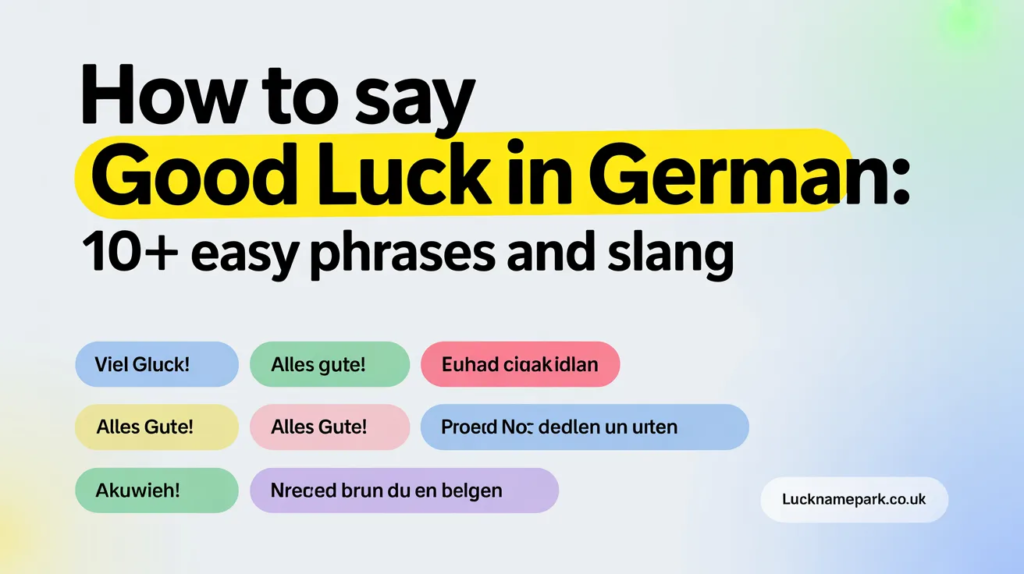
If you are looking for the simplest answer, the most common way to say good luck in German is “Viel Glück!” This literally translates to “much luck.” It is the “bread and butter” of German well-wishes. You can use it when a friend is playing a game, going on a first date, or even just buying a lottery ticket.
Because “Viel Glück” is so versatile, you don’t have to worry about being too formal or too casual. It works everywhere! However, native speakers often choose more specific words depending on the goal. For example, if someone is working hard toward a goal, they might prefer a word that focuses on “success” rather than just “luck.”
How Do You Say Good Luck in German for Success?
When a German person is heading into a business meeting or a difficult exam, they often say “Viel Erfolg!” This is a very popular way how to say good luck in German when you want to focus on a positive outcome. “Erfolg” means success. While “luck” feels like something that just happens, “success” feels like something the person has earned through hard work.
Using “Viel Erfolg” shows that you believe in the person’s skills. It is the perfect choice for professional settings. If your colleague is giving a big presentation, tell them “Viel Erfolg!” It sounds a bit more mature and encouraging than just wishing for luck.
Mastering the Most Popular German Slang
If you want to sound like a true local, you need to learn good luck in German slang. The most famous one is “Hals- und Beinbruch!” If you translate this literally, it means “neck and bone break.” It sounds a bit scary, right? But don’t worry! It is exactly like the English phrase “break a leg.”
This phrase is used mostly in the theater or among friends who are about to do something brave. It comes from an old superstition that wishing for something bad will actually keep the bad spirits away. So, if you tell your friend to break their neck, you are actually wishing them the best performance of their life
Pressing Your Thumbs: A Unique Cultural Gesture
In many English-speaking countries, we “cross our fingers” for luck. But in the good luck in German language tradition, they do something different. They say, “Ich drücke dir die Daumen!” This means “I am pressing my thumbs for you.”
When you say this, you usually make a fist with your thumb tucked inside. It is a physical sign of support. You might hear people say this before a big test or a doctor’s appointment. It is a very warm, personal way to show someone you are thinking of them and rooting for their success.
Using “Toi Toi Toi” for Extra Magic
Another fun way to express what is good luck in German is the phrase “Toi, Toi, Toi!” This sounds like someone spitting, and that is actually where it comes from! In the past, people would spit over their shoulder to ward off evil. Today, we just say the words.
You will often hear “Toi, Toi, Toi” used right before someone walks onto a stage or starts a big challenge. It is quick, rhythmic, and very common in casual conversation. It adds a bit of “magic” to your wish. It is one of those phrases that makes you sound like you’ve lived in Berlin for years!
How to Say Good Luck in German Formally
When you are writing an email to a boss or speaking at a wedding, you might want something a bit more polished. You can say, “Ich wünsche Ihnen viel Erfolg.” This means “I wish you much success.” Using the word “Ihnen” makes it formal and respectful.
You could also say, “Alles Gute!” which means “All the best.” This is a safe, polite, and very kind way to wrap up a conversation. It covers luck, health, and happiness all in one short phrase. It is perfect for cards, letters, or formal goodbyes.
The Legend of the “Lucky Pig”
Did you know that pigs are a symbol of luck in Germany? If someone has a sudden stroke of luck, they might say, “Schwein gehabt!” This literally means “had pig.” It is a funny piece of good luck in German slang that dates back to the Middle Ages.
Back then, the person who came in last in a competition would often receive a pig as a “consolation prize.” Even though they lost, they still went home with a valuable animal! So, “having a pig” means you got lucky even when things looked bad. You might see marzipan pigs sold in shops around New Year’s Eve for this very reason.
Wishing Luck for the New Year
In Germany, the transition into the New Year has its own special greeting. You don’t just say “Happy New Year” before the clock strikes midnight. Instead, you say, “Guten Rutsch!” This means “have a good slide” into the new year.
It is the standard way to wish someone good luck in German as the year ends. It’s friendly and used by everyone from family members to shopkeepers. Just remember: only say it before January 1st. Once the new year has started, you switch to “Frohes neues Jahr!”
When NOT to Wish Luck: The Birthday Rule
One very important tip for how to say good luck in German culture is about birthdays. Never, ever wish someone “Happy Birthday” or “Good Luck” for their new age before their actual birthday. Germans believe this is very bad luck!
This is a serious superstition. If you see your friend the day before their birthday, just say “See you tomorrow.” Waiting until the clock strikes midnight is the only way to ensure they have a lucky year ahead. This is a great example of how language and culture work together.
Conclusion
Learning how to say good luck in German is a fantastic way to connect with the culture. Whether you choose the simple “Viel Glück,” the professional “Viel Erfolg,” or the funny “Hals- und Beinbruch,” your effort will be appreciated. Germans value sincerity and friendship, so don’t be afraid to try these out!
Next time a friend has a challenge, remember to “press your thumbs” for them. Using these phrases makes the world feel a little smaller and a lot friendlier. So, go ahead and practice—Toi, Toi, Toi!
Faqs
1. What is the most common way to say good luck in German?
The most common and simplest way is “Viel Glück!” It is used in almost every casual and semi-formal situation.
2. Can I say “cross my fingers” in German?
No, Germans don’t cross their fingers for luck. Instead, they “press their thumbs” by saying, “Ich drücke dir die Daumen!”
3. What does “Hals- und Beinbruch” mean?
Literally, it means “neck and leg break.” It is a slang way to wish someone good luck, similar to saying “break a leg” in English.
4. Is there a difference between “Viel Glück” and “Viel Erfolg”?
Yes. “Viel Glück” is for general luck, while “Viel Erfolg” is used when someone is working toward a specific goal or success, like a test or a job.
5. Why do Germans talk about pigs when they are lucky?
The phrase “Schwein gehabt” (had pig) comes from the Middle Ages when a pig was a consolation prize. It means you were lucky despite the circumstances.
6. Is it okay to wish someone luck before their birthday?
No! In Germany, it is considered very bad luck to wish someone a happy birthday or luck for their new year before the actual day.